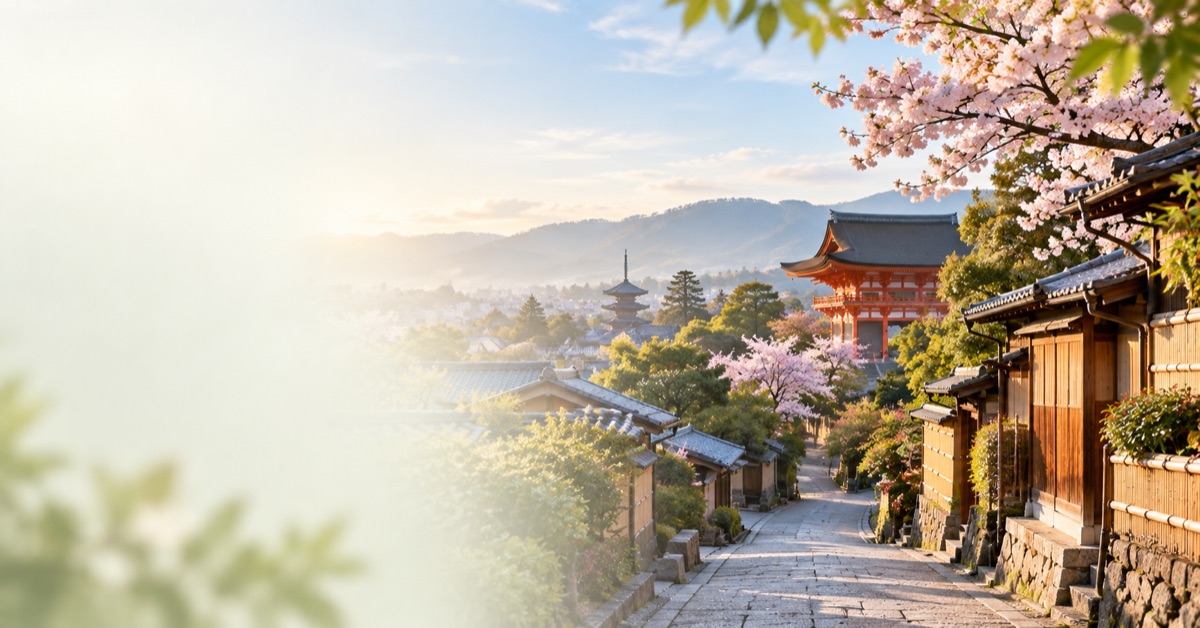
Kyoto is one of Japan’s most rewarding cities for a first Muslim-friendly trip, especially when you turn a long wish list into a simple daily plan. The city’s temples, gardens, markets and old streets are spread across several areas, so food, prayer and transport work best when they are considered before you set out.
You do not need to schedule every minute. You do need a reliable meal option, a prayer plan and enough time to move between districts without rushing.
Plan your day by area, not by individual sights
Kyoto’s most popular attractions are not all next door to one another. Group your day around one part of the city and avoid crossing town for every meal or prayer break. If you start around eastern Kyoto, prepare lunch and a backup nearby. If you are visiting the station area or a major shopping district, check options there before leaving your hotel.
This is especially helpful during seasonal crowds. A well-reviewed restaurant can still have a queue, limited seating or a reservation rule. Save the nearest station, the latest opening hours and a second option to your map before breakfast.
Understand the food language before you order
Kyoto’s official Muslim visitor information distinguishes several food labels. A place described as halal may state that all food is halal and display halal logos. Muslim-friendly may mean a special halal menu is available. Muslim Welcome describes venues that do not use pork or pork products and do not use alcohol flavouring, while pork-free can still involve alcohol flavouring.
Those labels are useful, but they describe different levels of provision. Read the detail, then ask about the broth, sauces, cooking alcohol, shared equipment and the specific dish you want. The Kyoto official food guidance is the best place to understand the local terminology before you arrive.
Build prayer into the route before the busy part of the day
Prayer facilities are available at selected visitor locations, but they are not automatic at every temple, museum, shopping complex or restaurant. Check the location and access conditions in advance, especially if you will be outside the central station area for several hours.
The Kyoto prayer-room guide is a useful starting reference. Treat it as a planning tool rather than a guarantee: confirm the current opening times, entry process, ablution arrangements and room availability directly with the venue. Carrying a compact prayer mat can make a flexible plan easier.
Choose a stay that supports your actual itinerary
When comparing accommodation, begin with location and transport. A hotel close to the places you will use in the morning and evening can make food and prayer planning much easier than a room that looks less expensive but requires several transfers.
Kyoto’s official accommodation information notes that individual properties may offer different Muslim-friendly arrangements, such as qibla information, prayer mats, nearby mosque information or halal menu requests. These are property-specific services, not standard features. Contact the hotel before booking and ask what it can provide on the dates of your stay.
A practical first-day checklist
- Save two meal options near your first afternoon area and confirm the one you plan to use.
- Check the ingredients and preparation of the exact dish, not only a general venue label.
- Locate a prayer option before you begin a long sightseeing route.
- Keep a snack and water with you when moving between distant districts.
- Ask your hotel about meal requests, prayer needs and the most useful nearby transport before arrival.
Useful official resources
- Kyoto City Official Travel Guide: finding halal food
- Kyoto City Official Travel Guide: Muslim-friendly accommodations
- Kyoto City Official Travel Guide: Muslim-friendly sightseeing
- Japan National Tourism Organization: Muslim travellers in Japan
Leave room for Kyoto’s slower moments
Kyoto is easier to enjoy when each day has a clear base area and a few confirmed essentials. Use official visitor resources to start, choose services that match your own requirements, and leave enough margin for queues and quiet detours. Always confirm current menus, ingredients, prayer-room access, hotel services, prices and opening hours directly with each venue before you visit.